Future-Thread: How Digitizing is Shaping the Next Wave of Wearable Tech
Introduction: The Stitch That Connects Fashion to Function
Imagine a world where your jacket monitors your heart rate, your hat displays navigation cues, and your workout shirt tracks your form—all through seamlessly integrated technology that looks and feels like ordinary embroidery. This isn’t science fiction; it’s the emerging reality of wearable technology, and at its core lies a revolutionary process: digitizing embroidery. This sophisticated technique, once used primarily for decorative logos and designs, is now becoming the bridge between traditional textile craftsmanship and cutting-edge technology. As we stand at the intersection of fashion and function, digitizing is quietly transforming how we interact with our clothing, turning passive garments into active partners in our daily lives.
From Decoration to Data: The Evolution of Smart Embroidery
The journey from traditional embroidery to smart textiles represents one of the most exciting developments in wearable technology. Traditional embroidery has always been about aesthetics—adding beauty and branding to fabric. But the same principles that create visual patterns can now create functional circuits and sensors.
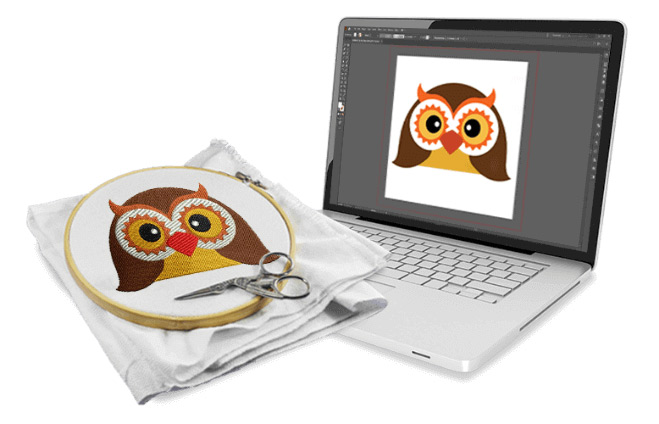
The transformation began when researchers realized that conductive thread could follow the same paths as traditional embroidery thread. Through precise digitizing embroidery, designers could now map out not just decorative patterns, but electrical circuits that could carry power and data. This breakthrough meant that embroidery machines could essentially “print” functional electronics directly onto fabric, creating wearable technology that was flexible, comfortable, and indistinguishable from traditional embroidery to the naked eye.
The Technical Thread: How Digitizing Enables Smart Textiles
The magic happens when traditional embroidery techniques meet modern materials science. Conductive threads, typically made from silver, copper, or other metal-coated fibers, have become the ink for this new technological canvas. But without precise digitizing, these advanced materials would be useless.
Precision Pathing for Perfect Circuits
Unlike decorative embroidery, where minor variations might go unnoticed, smart embroidery requires absolute precision in stitch placement. Every connection must be perfect, every circuit continuous. Professional digitizers now work with electrical engineers to create stitch paths that maintain conductivity while accommodating the natural stretch and movement of fabric.
Layer Management for Complex Systems
Advanced wearable devices require multiple layers of circuitry, insulation, and traditional embroidery. Digitizing software now manages these complex layer relationships, ensuring that conductive threads never accidentally cross and create short circuits, while still creating aesthetically pleasing final products.
Density Control for Optimal Performance
Stitch density becomes critically important in smart textiles. Too dense, and the embroidery becomes stiff and uncomfortable. Too sparse, and the circuit may not maintain consistent conductivity. Digitizing experts carefully balance these requirements to create functional yet wearable technology.
Real-World Applications: Where Smart Embroidery is Making Waves
The practical applications of digitized smart embroidery are already emerging across multiple industries, demonstrating the technology’s vast potential.
Healthcare and Medical Monitoring
Hospitals and healthcare providers are adopting smart embroidery for patient monitoring. Instead of bulky, uncomfortable sensors, patients can wear comfortable shirts with embroidered ECG sensors that continuously monitor heart activity. These garments look and feel like ordinary clothing but provide medical-grade data to healthcare providers.
Athletic Performance and Safety
Sports apparel companies are integrating smart embroidery into their products. A running shirt might monitor hydration levels, while a cycling jacket could feature embroidered turn signals on the sleeves. For industrial workers, safety vests with embroidered sensors can monitor vital signs and environmental conditions, alerting workers to potential hazards.
Fashion and Interactive Design
High-end fashion designers are embracing smart embroidery to create interactive garments. Dresses with embroidered LED patterns that change color based on environmental factors, or jackets with touch-sensitive embroidered controls for smartphones are moving from runway concepts to commercial products.
Accessibility and Navigation
Perhaps one of the most impactful applications is in accessibility technology. Visually impaired individuals can use jackets with embroidered haptic feedback systems that provide navigation cues through subtle vibrations, effectively turning clothing into a guidance system.
The Digitizing Workflow for Smart Textiles
Creating functional smart embroidery requires an enhanced digitizing workflow that blends traditional techniques with electronic design principles.
Circuit Design Integration
The process begins with electronic circuit design. Engineers map out the required electrical pathways, which are then translated into stitch paths by digitizing specialists. This collaboration ensures that the final embroidery will function correctly while maintaining the flexibility and comfort of the fabric.
Material Selection and Testing
Digitizers must understand the properties of conductive threads and how they interact with different fabrics. They test various thread-fabric combinations to ensure reliable performance under real-world conditions, including washing, stretching, and everyday wear.
Multi-Pass Embroidery Strategies
Complex smart textiles often require multiple embroidery passes with different materials. A typical sequence might include: conductive threads for circuits, insulating layers to prevent shorts, additional conductive layers, and finally traditional embroidery for aesthetics and protection.
Challenges and Solutions in Smart Textile Digitizing
While the potential is enormous, digitizing for smart textiles presents unique challenges that the industry is actively addressing.
Durability and Washability
Early smart textiles struggled with durability, particularly when exposed to moisture and mechanical stress. Advanced digitizing techniques now incorporate protective stitch patterns and material combinations that maintain functionality through dozens of wash cycles.
Power Management and Efficiency
Creating energy-efficient embroidered circuits requires careful planning during the digitizing phase. Designers optimize stitch paths to minimize resistance and power consumption, while also planning for discreet power source integration.
Scale and Manufacturing Consistency
Moving from prototypes to mass production requires digitizing strategies that ensure consistency across thousands of garments. This means developing standardized stitch patterns and quality control checkpoints that guarantee every unit performs identically.
The Future Stitched Together: What’s Next for Smart Embroidery
The trajectory of smart embroidery points toward even more integrated and sophisticated applications in the coming years.
Biometric Integration
Future developments will see embroidery that can monitor multiple biometric signals simultaneously—heart rate, respiration, muscle activity, and even blood oxygen levels—all through beautifully designed patterns that look like conventional fashion elements.
Environmental Interaction
Imagine clothing that can harvest solar energy through embroidered photovoltaic cells, or jackets that can purify air through catalytic embroidered patterns. Researchers are already developing these capabilities.
Adaptive and Responsive Textiles
The next generation of smart embroidery will feature materials that can change their properties in response to environmental conditions or user needs. This could mean clothing that automatically adjusts its insulation properties or athletic wear that provides muscle support on demand.
Conclusion: Weaving Technology into the Fabric of Everyday Life
The quiet revolution of digitizing embroidery is positioning this ancient craft at the forefront of technological innovation. What began as a method for creating beautiful decorations is now evolving into a powerful tool for integrating technology seamlessly into our lives. The true genius of this approach lies in its subtlety—the way it hides advanced capabilities within familiar, comfortable, and aesthetically pleasing forms.
As digitizing techniques continue to advance and material science progresses, we’ll see smart embroidery become increasingly sophisticated, affordable, and widespread. The clothing of the future won’t just be something we wear—it will be an active partner that enhances our capabilities, protects our health, and connects us more intimately with our environment.
The thread that connects traditional craftsmanship to cutting-edge technology is being spun right now, stitch by precise stitch. The future of wearable technology isn’t just about adding gadgets to our clothing; it’s about weaving functionality directly into the fabric of our lives. And at the heart of this transformation, digitizing embroidery is ensuring that the future won’t just be smart—it will be beautifully stitched.